

Sports fandom used to have a simple rhythm: check the schedule, watch the game, read the recap, argue about it the next morning. That routine still exists, but technology has stretched it across the entire day. Fans now follow live scores on phones, watch highlights within minutes, join creator-led discussions, compare advanced statistics, and stream matches from almost anywhere.
The result is not simply more digital sports. It is a different relationship with teams, athletes, and leagues, one built around constant access, personalization, and conversation. For sports businesses, that shift is changing where attention lives and how valuable fan engagement is created.
The Live Game Is Now Only One Part of Fandom
A match may still be the main event, but it is no longer the whole experience. IBM’s 2025 global sports survey found that 90% of respondents consume sports content beyond watching events. Video highlights were used by 51%, post-event recaps by 37%, and player interviews by 32%.
Think about your own match day. You might see a lineup notification at lunch, watch warm-up clips on the train home, follow the game on television while checking statistics on your phone, then spend another half hour watching reactions afterward.
For leagues and media companies, every one of those moments is now a separate opportunity to earn attention, collect engagement data, and build fan loyalty.
AI Is Making Sports Coverage More Personal
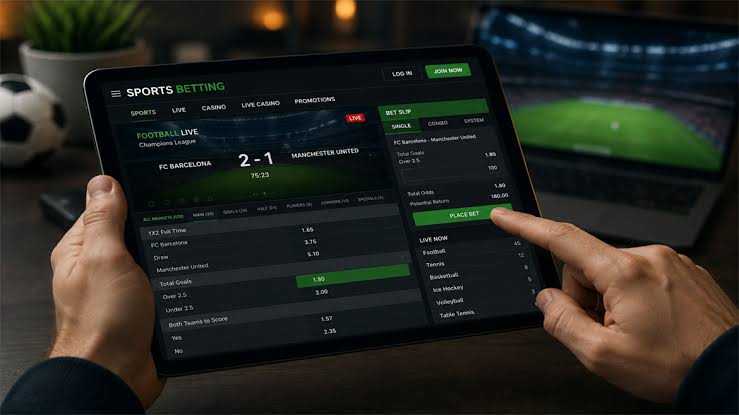
Artificial intelligence is moving sports coverage away from the same feed for everyone. Apps can prioritize teams you follow, surface relevant statistics, summarize matches, translate commentary, and recommend clips based on viewing habits. IBM found that 85% of surveyed fans saw value in adding AI to the sports experience, while 56% wanted AI-powered insights and commentary across past, current, and future events.
That convenience also creates a trust problem. AI-generated recaps can sound polished even when a statistic, quote, or piece of context is wrong. For publishers using automation, verification matters, whether that involves editorial review, checking original sources, or an AI checker as one part of a broader content-quality workflow.
Faster coverage only helps if fans can still trust it.
Streaming Has Expanded Choice and Complicated Discovery
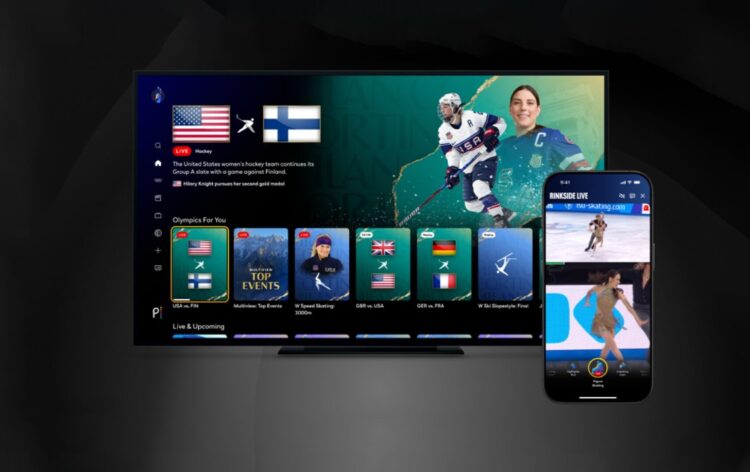
Sports streaming has made games easier to watch across devices, but surprisingly harder to find in one place. Rights are divided among broadcasters, league apps, streaming platforms, and regional packages, so fans may know exactly what they want to watch without knowing where it is available.
Deloitte reported that 35% of consumers surveyed in late 2024 felt they needed too many subscriptions to watch all the sporting events they wanted.
| Then | Now |
| One main TV package | Multiple streaming subscriptions |
| Fixed broadcast schedule | Live, replay, and on-demand viewing |
| National commentary | Alternate feeds and digital personalities |
| TV guide discovery | Apps, alerts, search, and social links |
For ordinary fans, the opportunity for the industry is clear: simpler discovery and easier access may matter almost as much as adding more content.
The Second Screen Has Become Part of the Broadcast
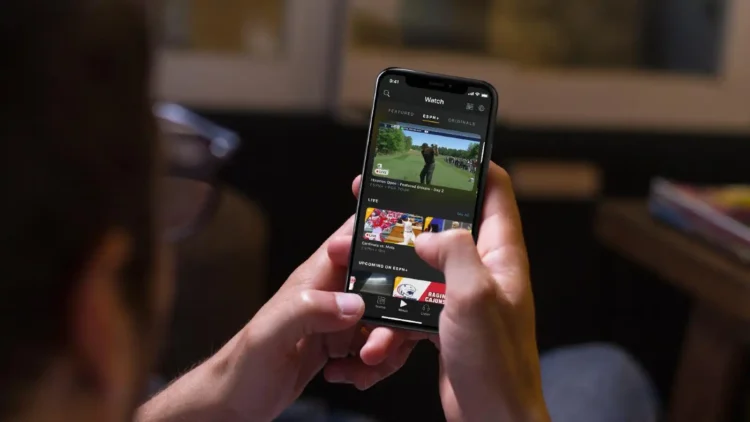
Watching sports while doing something else is hardly new, but the smartphone has turned that habit into an interactive layer around the game. Fans check win probabilities, fantasy scores, injury updates, group chats, social posts, and instant replays without leaving the live action.
IBM found that multi-device usage among surveyed fans increased from 27% in 2024 to 29% in 2025. Among people attending sporting events in person, 82% said they used sports apps during events.
That changes what a broadcast really means. Television or streaming may carry the live pictures, but the digital sports experience is distributed across several services at once. Smart platforms are designing for this behavior with synchronized statistics, alerts, alternate angles, polls, and useful context.
Social Platforms Have Turned Fandom Into a Constant Conversation
Social media has collapsed the distance between watching sports and talking about sports. A spectacular goal can become a highlight clip, meme, tactical debate, reaction video, and group-chat argument before the match has even ended.
Did you know? During the 2026 global football tournament, Meta reported that WhatsApp handled more than 30 million messages per second during the final, setting a new platform record.
The bigger change is that fandom now travels through networks of people, not only official media channels. You may follow a club for news, an analyst for tactics, a player for behind-the-scenes posts, and friends for jokes.
That mix makes sports more social while giving digital platforms enormous influence over which stories, athletes, and moments become visible.
Creators Are Becoming Part of the Sports Media System
Creators no longer sit outside traditional sports media. They explain tactics, react to trades, tell athlete stories, cover fan culture, and introduce audiences to competitions they might never discover through a conventional broadcast.
YouTube reported that Kings League-related videos generated more than 900 million views worldwide in 2025. In the same report, 66% of surveyed sports fans aged 14 to 49 in Mexico said they watched or engaged with sports commentary and analysis from creators or fans at least weekly.
That matters commercially because creators often hold attention inside very specific communities. A league can buy reach through advertising, but the right creator can make a sport understandable, entertaining, or culturally relevant to people who were never actively searching for it.
Sports Businesses Now Compete on Experience, Not Just Rights
Technology gives leagues, teams, broadcasters, and sponsors more ways to reach fans, but it also raises expectations. People want quick access, useful personalization, reliable information, and community without being buried under subscriptions, notifications, or low-quality automated content.
The strongest digital sports products tend to get a few basics right:
- They make live events and highlights easy to find.
- They add context without distracting from the competition itself.
- They use fan data carefully and explain how personalization works.
- They connect viewing, social discussion, ticketing, statistics, and commerce without turning every interaction into a sales pitch.
The competitive advantage is no longer simply owning the rights to a match. It is creating the easiest, most useful, and most trustworthy place to follow everything around it.
Where Sports Fandom Goes Next
Technology is changing sports fandom by making it continuous. The game still matters most, but fans now move between streams, apps, clips, creators, statistics, and conversations before, during, and after the action.
That gives sports organizations more opportunities to build relationships, yet it also creates more competition for attention and more pressure to deliver value on every screen. The winners will not necessarily be the companies that add the most features. They will be the ones that understand what fans actually want: easy access, credible information, relevant personalization, and a sense that following sports still feels exciting rather than exhausting.