

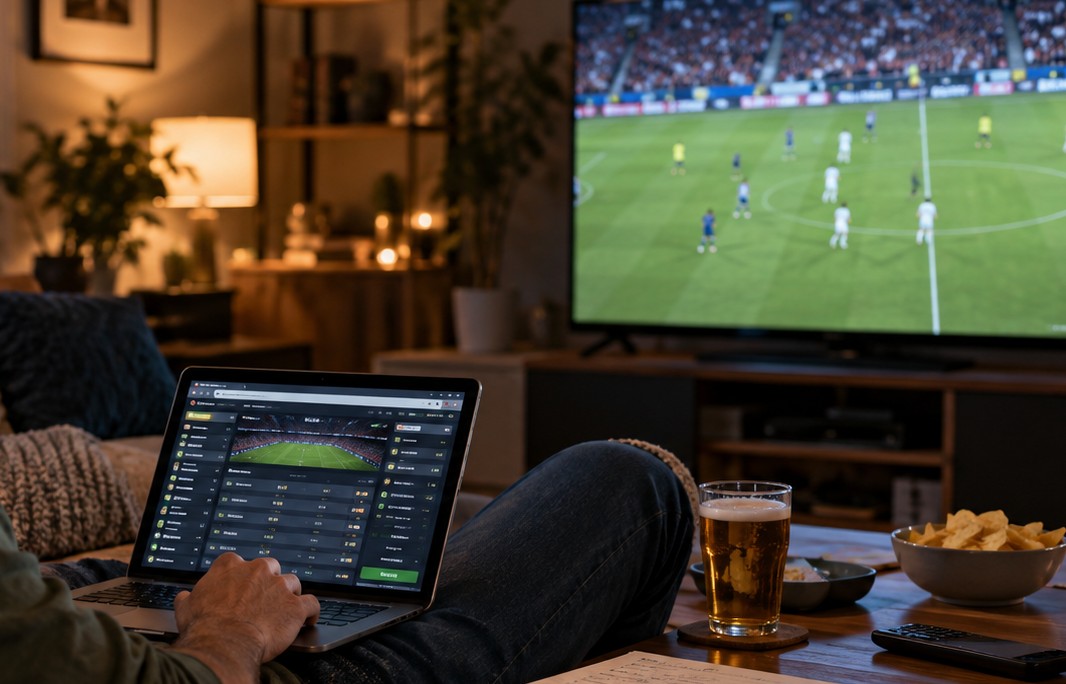
People have habits with betting in the same way they have habits with games. Some barely look beyond the match winner. Others almost always drift toward goals, cards or player markets. There are people who like accumulators because they enjoy having several matches tied together, and others who would rather have one bet on one event and know exactly what they are following.
After a while, most people seem to build their own little corner of the sportsbook. Not because somebody told them it was the best way to bet. Mostly because it is what they understand. That corner can become surprisingly specific.
Someone might follow Premier League football every weekend but almost never bet on the result itself. They are more interested in goals, corners or what a particular striker might do. Another person may watch the same matches and ignore all of that because they only really care about which team wins. The sport is the same. What people notice inside it is not.
Familiar markets are easier to read

If you follow football every week, you probably already know which parts of the game you pay attention to without thinking about it. Maybe you notice how often a team attacks from wide areas. Maybe you watch strikers more closely than midfielders. Maybe you are the person who always seems to know which defender is one bad tackle away from a booking.
Those habits naturally affect the premium bets that look interesting. Someone who watches a lot of corners may feel more comfortable with corner markets than with a first goalscorer bet. Another person may barely notice corners at all but have a very good feel for when a game looks likely to open up.
It’s not about what way is better, it’s just a show of different styles. The different options are also discussed in Advantages and Disadvantages of Betting on Football.
Somebody who regularly looks at card bets should mainly consider watching out for statistics about referees, tackles and which players are likely to be caught out by pace. When betting on goals should involve starting to look at how teams behave after scoring rather than only at the final result.
Betting does not necessarily create that knowledge, but it can change what somebody watches for. After enough weekends, the same little details start standing out before the markets have even been opened.
Esports has exactly the same kind of player
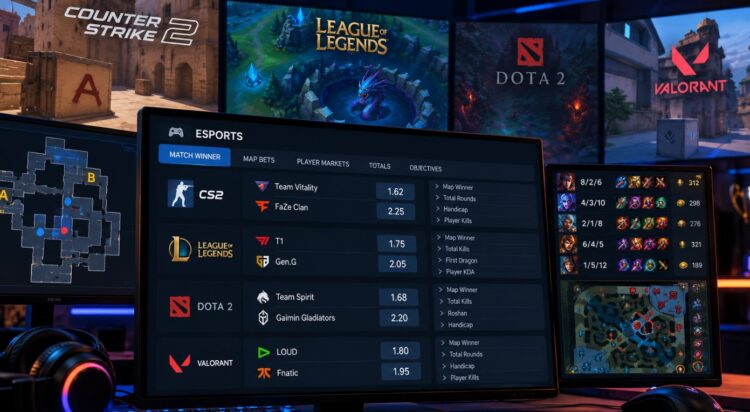
This is easy to see in competitive gaming too. A Counter-Strike fan who pays attention to team economy and map selection is probably going to look at a match differently from someone who mainly follows the overall series result.
The same happens in other esports. Some viewers care about individual maps. Others watch player performance. Some understand one team extremely well and know almost nothing about the rest of the league.
Betting tends to follow that knowledge. People usually feel more comfortable when they are dealing with something they already watch closely. That is probably why specialist premium bets can feel more interesting than simply choosing who wins.
The same fan may also completely ignore a market that looks obvious to somebody else. Different games have different styles so for someone following League of Legends might pay attention to objectives or individual players instead.
There are plenty of options, but having more options does not mean everyone suddenly wants to use them. In practice, people usually keep narrowing things down.
The odd thing is how quickly a bet becomes “your bet”
Once someone has a few good experiences with a certain market, they often go back to it. That does not mean the market suddenly becomes easier to predict. It just becomes familiar. You know where to look. You know what information matters. You know what can go wrong.
This connection between previous experience and betting choices is also reflected in research published by the UK Gambling Commission.
That familiarity can make the whole process feel less random, even though sport will always find ways to ruin a perfectly sensible idea. A striker misses from three yards. A team gets a red card after twelve minutes. An esports favourite loses a map it has dominated for months. A player who rarely gets booked suddenly sees yellow after five minutes because of one badly timed challenge.
That is part of the appeal too. If everything behaved exactly as expected, there would not be much to argue about afterwards.
People also remember the strange ones. The bet that looked ridiculous and somehow landed tends to survive in the memory much longer than ten ordinary bets that went exactly as expected. That can be another reason people return to certain markets. There is history there, even if the history has absolutely nothing to do with what will happen next weekend.
Live betting tends to expose those habits even more
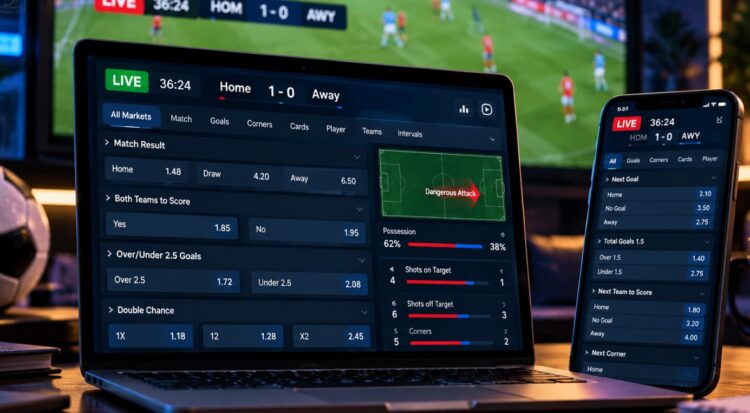
Live betting gives people less time to browse every possible option, so they often fall back on what they already understand. A person who normally looks at goals before kick-off may keep watching the goals market once the match is underway.
Someone interested in cards will notice when a game starts becoming messy. A bettor who knows one team well might have an opinion after twenty minutes that another viewer would never consider because they are looking at completely different things.
The market is moving, but the habits usually stay fairly similar. Research on live sports-betting features and gambling-related harm also highlights the risks associated with frequent in-play betting.
That is probably why two people watching the same match can open the same sportsbook and barely look at the same bets. One is watching the striker. Another is watching the referee. Somebody else is waiting for the next corner because that is the part of the match they have been following all season.
Most people do not actually use the whole sportsbook
Sportsbooks can offer hundreds of markets on a big event. Most people probably use a very small percentage of them. The rest are just there.
A football bettor might spend years moving between match result, goals and a few player markets without ever touching half the options on the screen. That is not unusual. It is probably quite normal.
The same thing happens outside betting. People have hundreds of shows available and still rewatch the same ones. They have thousands of songs in an app but keep returning to a familiar playlist. Choice does not automatically make people adventurous.
Betting is much the same. The Gambling Commission’s research into gambling motivations and habits offers further context on why people develop different preferences.
The interesting part is not having every possible market available. It is finding the handful that make sense to the way you already watch sport or esports, getting used to them, and then discovering that even the bets you know best can still surprise you every week.
For more background on following football and understanding the game, Along the Boards also covers how people learn more about football betting.